Organizing Automotive Parts Storage for Quick Retrieval
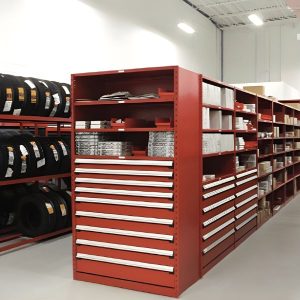
Poor parts organization creates bottlenecks that slow repairs, frustrate staff, and keep customers waiting longer than necessary. At Commander Warehouse Equipment, we have seen how proper storage systems can transform chaotic parts rooms into efficient retrieval operations. Organizing automotive parts storage for quick retrieval allows you to create a system that helps your team locate components in seconds rather than minutes, which directly impacts your shop’s productivity and profitability.
Learn how to plan for expansion with scalable storage solutions.
Create a Logical Classification System
The foundation of efficient parts storage starts with how you categorize inventory. Group components by vehicle system rather than arbitrary methods. Engine parts belong together, suspension components in another section, and electrical items elsewhere. Within each category, arrange parts by size or frequency of use. High-turnover items like oil filters, brake pads, and common belts deserve prime real estate at eye level, where technicians can grab them without ladders or excessive bending. Slower-moving specialty parts can occupy higher shelving or less accessible locations.
Learn how to store oversized items on pallet racks.
Maximize Vertical Space with Industrial Shelving
Most automotive shops have limited floor space but generous ceiling height. Industrial shelving systems let you capitalize on vertical real estate while keeping parts visible and accessible. Adjustable shelving adapts as your inventory changes, accommodating everything from small fasteners to larger assemblies. Open shelving works well for frequently accessed items, while enclosed cabinets protect sensitive electrical components from dust and contamination. The key is matching your storage configuration to your specific parts mix and retrieval patterns.
Implement Modular Drawer Systems for Small Components
Fasteners, clips, gaskets, and other small parts disappear easily in open bins. Modular drawer systems with dividers keep these items organized and visible. Label each drawer clearly with part numbers and descriptions. This approach eliminates the frustrating minutes spent digging through mixed hardware looking for the right bolt size. When technicians can open a specific drawer and immediately see what they need, retrieval time drops dramatically.
Use Clear Labeling and Inventory Management
Even the best storage layout fails without proper labeling. Invest time in creating clear, consistent labels that include part numbers, descriptions, and bin locations. Consider implementing a simple inventory management system that tracks quantities and locations. When parts arrive, assign them specific homes immediately rather than placing them wherever space exists. Consistency means new employees can find components quickly, and experienced technicians waste less time searching.
Maintain Your System Over Time
Storage systems drift toward chaos without regular maintenance. Schedule periodic reviews to reorganize sections, consolidate partially used bins, and adjust locations based on changing usage patterns. When you discontinue certain parts or add new product lines, update your storage configuration accordingly.
Efficient parts storage directly affects your bottom line by reducing labour costs, improving customer satisfaction, and minimizing the frustration that drives good technicians to seek employment elsewhere. Our team can assess your current parts room and recommend storage solutions tailored to your facility’s layout and inventory requirements. Contact us at 604-980-8511 to discuss how we can help your automotive operation run smoother and more efficiently.


