Best Practices for Storing Hazardous Materials
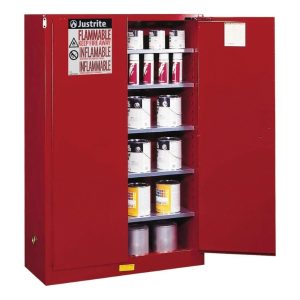
Properly storing dangerous goods is a key factor in creating a safe and efficient work environment. At Commander Warehouse, we understand the importance of handling hazardous materials with care to reduce risks and maintain regulatory compliance. That is why we have put together a list of best practices for storing hazardous materials in commercial and industrial settings.
Why is Safely Storing Hazardous Materials so Important?
Hazardous materials can pose serious safety and environmental risks if not stored correctly. From flammable liquids to corrosive substances, improper handling can lead to spills, fires, or health hazards. Following proven storage guidelines helps protect both people and property while supporting long-term productivity. Some best practices for storing hazardous materials include:
1. Use Approved Storage Cabinets
Storing hazardous chemicals in safety storage cabinets is one of the most effective measures for the safe storage of hazardous materials. These cabinets are designed to contain leaks, resist corrosion, and minimize fire risks.
2. Label Everything Clearly
Proper labelling is a critical part of safe hazardous material storage. Containers should be marked with clear hazard symbols and handling instructions. This helps prevent misuse and ensures quick identification during emergencies or inspections.
3. Keep Incompatible Materials Separate
Some substances can react dangerously when stored together. Flammable materials, oxidizers, and corrosives should each be stored in separate areas or dedicated compartments. This reduces the risk of chemical reactions and helps meet workplace safety standards.
4. Maintain Ventilation and Temperature Control
Ventilation is crucial when storing materials that emit fumes or vapours. Proper airflow reduces the buildup of hazardous gases and keeps air quality safe. In some cases, climate-controlled storage may also be required to prevent temperature-sensitive materials from degrading.
5. Train Staff and Maintain Safety Protocols
Employees must be trained to understand proper handling, storage, and emergency response procedures. The role of drum trucks in safely handling hazardous materials should be emphasized in training to ensure workers use the correct equipment for moving heavy drums and canisters securely. Clear signage, routine inspections, and updated safety data sheets should all be part of your storage management system.
At Commander Warehouse, we offer a wide selection of shelving units, storage cabinets, and accessories that support safe material storage in industrial environments. If you are looking to improve how hazardous materials are handled in your facility, contact our team today to find the right solutions for your storage needs.


