Understanding Weight Distribution for Multi-Tier Shelving Systems
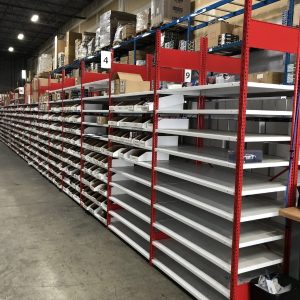
At Commander Warehouse, we know that understanding weight distribution for multi-tier shelving systems means the difference between a storage system that holds up under real operating conditions and one that creates expensive problems down the line. Whether you’re configuring a new warehouse or retrofitting existing racking, getting load management right from the start determines long-term performance across every tier.
Learn how to prevent overloaded shelving systems.
How Load Travels Through a Multi-Tier System
In a multi-tier shelving system, each load point distributes force downward through uprights into floor anchors, but lateral forces, off-centre loading, and uneven weight placement all introduce variables that can compromise structural integrity at any level.
The critical factors that shape load distribution include:
- Uniform vs. concentrated loading: Evenly spread loads across a shelf surface reduce point stress on beam connections. Concentrated loads positioned at centre span create maximum bending moment.
- Load per shelf vs. load per bay: Manufacturers rate both. Exceeding either figure, even if the other is within spec, creates risk at the beam-to-upright connection.
- Cumulative column load: Total weight per upright column must account for all tiers simultaneously, not just the heaviest individual shelf.
Beam Deflection and What it Tells You
Visible beam deflection under load is a functional indicator, not an aesthetic concern. Excessive deflection signals that the beam profile is undersized for the span and load combination. When specifying beams for heavier applications, step frame depth up before increasing steel gauge. Depth contributes far more to rigidity than material thickness alone.
Shelf Decking Considerations
Decking type directly affects load transfer behaviour:
- Wire decking distributes load to front and rear beams, not the full shelf frame
- Particle board or steel decking on solid supports distributes load more evenly across the surface
- Pallet loads on wire decking require proper overhang clearance to prevent point loading on individual wires
Mismatched decking and load types are a common source of premature wear and beam stress in otherwise correctly specified systems.
Learn how to calculate storage density for your shelving layout.
Floor Anchoring and Upright Base Plates
Multi-tier systems place significant compressive and tensile demands on floor connections. Base plate sizing must correspond to the anticipated column load, and concrete anchor specifications should account for both static weight and dynamic loading from forklift or order picker traffic nearby.
Slab thickness and concrete strength are not interchangeable variables. A thin slab with high PSI still limits anchor pull-out capacity if embedment depth is inadequate.
Practical Configuration Priorities
When configuring a multi-tier system, apply load in this order of priority:
- Heaviest loads on lower tiers to keep the centre of gravity low
- Balanced loads across opposing bays within a run
- Consistent loading patterns across all tiers to prevent asymmetric upright stress
Ad hoc loading, filling whatever space is available without a plan, is the fastest way to create uneven wear and compromise the system over time.
Getting the Configuration Right
Weight distribution in multi-tier shelving comes down to understanding how load travels, choosing the right components for the application, and loading the system with intention. At Commander Warehouse, we work directly with operations and procurement teams to configure systems built for how the space actually gets used. Reach out through the contact form on our website to discuss your specific requirements.


