How to Calculate Shelving Capacity
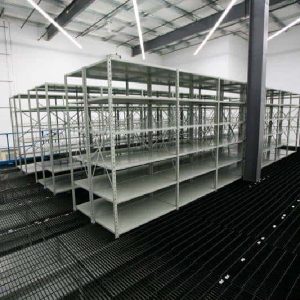
Many facilities utilize racking or shelving to hold their products and equipment. Though extremely useful for keeping aisles clear and products organized, it is crucial to know how to calculate shelving capacity if it is not readily available. Failure to know the capacity of a shelving system can lead to damaged equipment, broken systems, and worker injuries. At Commander Warehouse Equipment, we know how important the safety of shelving systems is for any facility. That is why our experts have provided some vital information on important considerations and some general steps for calculating shelving capacity.
Learn more about the differences between racking and shelving.
Important Considerations for Calculating Shelving Capacity
Shelving systems are the most commonly used type of storage system for many types of facilities. They tend to be a bit shorter than racking systems, making them ideal for placing and retrieving products by hand. Though many shelving systems are bolted to the ground for additional safety, these systems can still fail if the rated capacity is exceeded. It is important to consider the following when calculating shelving capacity:
- Has the shelving system been modified in any way since the original installation?
- How old is the system? As shelves age, they tend to lose capacity.
- Is the system bolted into the ground or is it a mobile system?
- How tall and wide is the system?
- What are/will these shelves be used to hold?
Knowing this information will enable you to make an informed calculation for your shelving system.
Steps for Calculating Shelving Capacity
Though these steps may not apply to every type of shelving system, they can provide basic guidelines to help you calculate their capacity.
- Locate the original spec sheets or drawings. If no physical copies exist, see if they can be downloaded from the manufacturer’s website.
- If spec sheets do not exist, contact the manufacturer to see if the information can be obtained. You will likely need to provide a model number or serial number to obtain this information.
- If neither of these methods are successful, a detailed inspection of your shelving system is required.
- This assessment will note the size of your shelving system (height and number of shelves), the condition, how it is installed, how old it is, and what it will be used for. This information can then be used to roughly calculate the rated capacity. If this method is used, it is best to stay under this capacity at all times.
If you are unsure of how to calculate the rated capacity of your shelving system, reach out to the experts at Commander Warehouse Equipment through our contact form. Our team will work with you to provide the most accurate information or optimal shelving system to maximize your productivity and safety.


